DHA during pregnancy and early childhood
Humans are quite remarkable creatures. While the brains of most animals are largely developed at birth, in humans, the nervous system is far from mature at birth. During the first three years of life, the size of the brain doubles. To support your child's cognitive development, not only is a safe, loving, and stimulating environment essential, but also a regular supply of nutrients such as vitamins, minerals, and the omega-3 fatty acids DHA and EPA. A well-known source of DHA and EPA is fish oil. These two omega-3 fatty acids are also available in the form of vegetarian/vegan algae oil.
The EFSA (European Food Safety Administration) states that DHA, with a daily intake of at least 250 mg per day, contributes to normal brain function and the maintenance of normal vision.
DHA is particularly important during pregnancy and in the early years of a child's life when the nervous system (which includes the brain and eyes) undergoes a significant growth spurt.
Supplements for children older than six years usually contain a higher percentage of EPA instead of DHA.
An overview of supplements for toddlers and children can be found on the collection pages Liquid Omega-3 and -6 and Omega Chewable Capsules.
The WHO (World Health Organisation) advises pregnant and breastfeeding women to consume at least 200 mg of DHA per day.
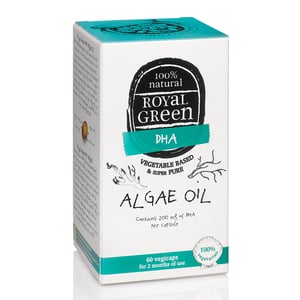
Well-known DHA supplements for during pregnancy include Royal Green's Algae Oil (200 mg) and the extra high-dose MorDHA Lemon from Minami Nutrition (480 mg).
These supplements can be excellently used alongside a pregnancy multivitamin. Some pregnancy multivitamins already contain DHA. For instance, Orthica's Prena Fem contains 200 mg of DHA per daily dosage of 2 capsules.
recommended
4 products