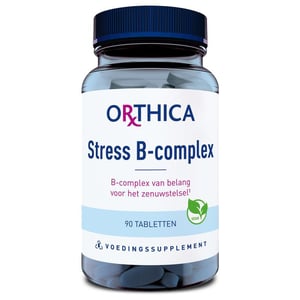
Vitamin B is a collective term for eight different B vitamins, each with its own function, including:
- Vitamin B1: contributes to the normal functioning of the heart and a normal functioning nervous system
- Vitamin B2: contributes to the maintenance of normal red blood cells and a normal energy-yielding metabolism
- Vitamin B3: contributes to normal psychological function and the reduction of fatigue
- Vitamin B5: contributes to normal mental performance
- Vitamin B6: contributes to the regulation of hormonal activity and the functioning of the immune system
- Biotin (vitamin B8): contributes to the maintenance of normal hair and skin
- Folic acid (vitamin B11): contributes to tissue growth during pregnancy and plays a role in the cell division process
- Vitamin B12: contributes to a normal energy-yielding metabolism
Almost all B vitamins, with the exception of vitamin B12, are water-soluble vitamins, which means they cannot be stored in your body.