Pregnant? These Supplements Are Important!

If there's one moment in your life when you prioritise your health, it's when you want to become a mother. Before, during, and after pregnancy, you want to give your body only the best, and it's likely that you're extra cautious about what you consume. Very good! Your body is busy building a new human and could use some extra support. In this blog, we share the essential supplements you need before, during, and after pregnancy.
Healthy Nutrition and Supplements During Pregnancy
You might wonder, if I already eat healthily, do I really need additional supplements? A healthy, varied diet is always the foundation, but with the increased needs of your body and your growing baby, it might not always be possible to meet these needs through diet alone. By using the right supplements as an addition, you can be sure that you're providing your body with what it requires during this special phase of life.
When to Start Taking Supplements During Pregnancy?
The moment you discover you're pregnant is often when you start looking for the best quality supplements to provide your body with everything it needs during pregnancy. But did you know it's even better to start earlier? This can also assist in becoming pregnant. So, if you have a desire to have children and want to actively pursue it, that's a perfect time to upgrade your vitamin routine. Also, don't stop immediately once your baby is born; as long as you're breastfeeding and your body is recovering from childbirth, you can benefit from some extra support.
Folic Acid and Pregnancy
Folic acid is by far the most well-known and important supplement for pregnant women. Folic acid and folate are often used interchangeably, but there is a significant difference. Folate is the active, biological form, while folic acid is the synthetic form commonly used in supplements. Pay attention to what you purchase and opt for a supplement with folate, as your body recognises and absorbs it better. Want to know more? Read more here about the difference between folic acid and folate.
Folic acid or folate is crucial for the early development of your baby, so it's important to start using it from the moment you have an active desire to conceive. Good to know: folic acid works in conjunction with vitamin B12, which is important for blood formation and energy production. Therefore, choose a supplement that contains both folic acid or folate and vitamin B12.
Vitamin D During Pregnancy
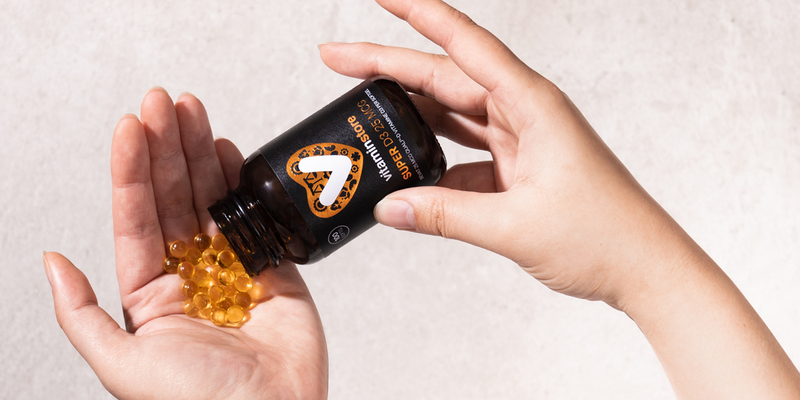
Also important during pregnancy is the sunshine vitamin; vitamin D. Our bodies produce vitamin D with the help of sunlight, but in the Netherlands, this is not always sufficient. Vitamin D contributes to the formation of cells and tissues, plays a role in bone formation, and helps maintain a good immune system. The Health Council advises pregnant women to take 10 mcg of vitamin D per day.
Want to know more about Vitamin D? Read further in our knowledge base.
The Importance of Fish Oil During Pregnancy
Particularly, the omega-3 fatty acid DHA is important for the development of the brain and vision in unborn babies. Ensure that you eat fatty fish at least twice a week or, if this is not possible, supplement with a fish oil supplement. The positive effect is achieved with a minimum daily intake of 250mg DHA.
Multivitamins for Pregnant Women
Especially during the first trimester, when the hormone progesterone is abundant and still produced by the ovaries rather than the placenta. A high concentration of the hormone progesterone and the presence of the Human Chorionic Gonadotropin hormone, better known as HCG, tests you and your pregnant body significantly. A multivitamin specifically for pregnant women can help in obtaining essential nutrients during this phase.
But how does a multivitamin for pregnant women differ from a more general multivitamin? It mainly comes down to the composition of the ingredients. We explain the main differences:
- Vitamin B12: in many multivitamins for pregnant women, you'll see that the dosage of vitamin B12 is higher. Very beneficial, as during pregnancy you use more vitamin B12, which is important for DNA synthesis, tissue growth, and development.
- Vitamin A: vitamin A is a vitamin that pregnant women are very cautious about, as too much can be harmful. Therefore, many pregnancy multivitamins contain the precursor of vitamin A, beta-carotene. Your body can convert this to vitamin A as needed, ensuring you never have too much vitamin A in your body. Excellent!
- Folate: you probably saw this coming, but the amount of folic acid, preferably in the active form folate, is higher in a multivitamin for pregnant women. This ensures your folate status is at the correct level.
- Vitamin D: also very important is vitamin D. Due to the many benefits of this vitamin, you'll often find it included in a multivitamin for pregnant women.
- Iodine: iodine is a mineral that we are increasingly consuming less of, and therefore it's often added to products like bread or table salt. Because you don't always get enough iodine and it's important for the growth and brain development of your baby, it's often included in the multivitamin.
- Iron: another mineral you could use more of during pregnancy, as it reduces the risk of anaemia. Therefore, iron is also found in higher doses in a multivitamin for pregnant women.
- Calcium: calcium during pregnancy reduces the risk of high blood pressure, premature birth, and pre-eclampsia. No wonder you find more of it in a pregnancy multivitamin.
In Conclusion
Healthy, varied nutrition is the best starting point to provide your body with what it needs if you want to become pregnant, are pregnant, or are in the postnatal phase. Since your body's needs are significantly higher or different than usual, it might be beneficial to use certain supplements as an addition to your diet. Always consult your healthcare provider before using supplements before, during, or after pregnancy.