Concentration
Concentration is the ability to focus one's attention on a single subject or task for an extended period. The capacity to concentrate is partly dependent on the health of the nervous system. When nerve signal transmission is efficient, it is easier to stay focused, store information in memory, and retrieve it when necessary.
Concentration can be adversely affected by many factors, such as lack of sleep, insufficient physical activity, and unhealthy diet. Conversely, concentration can be enhanced by ensuring a good night's sleep, regular exercise (which boosts circulation and thus brain blood flow), and a diet rich in essential nutrients.
The following nutrients are known to play an important role in brain function:
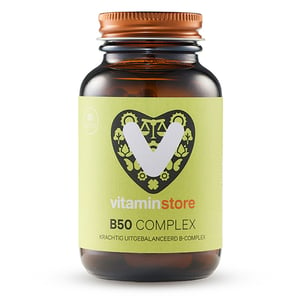
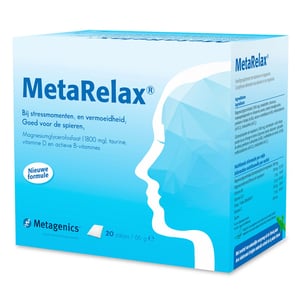
Magnesium, vitamin C, vitamin B1 (thiamine), B3 (niacin), B6 (pyridoxine), biotin, folic acid, and B12.
A varied diet provides all these nutrients. However, in some cases, supplementation in the form of a multivitamin may be desirable. Children and teenagers, for example, can benefit from the Multi for Children or Teenagers.
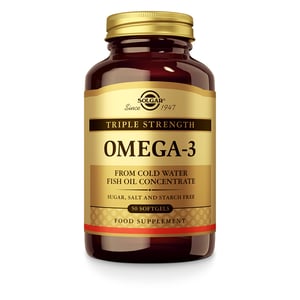
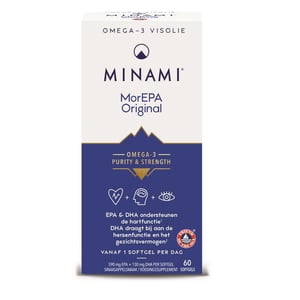
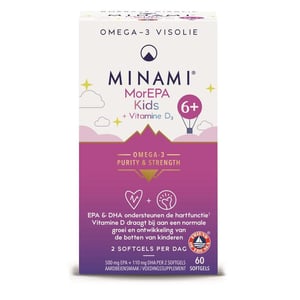
The omega-3 fatty acid DHA (found in eggs, fish, krill, and some algae) is also important for maintaining normal brain function. In our body, DHA is primarily found in the brain, nervous system, and retina of the eye. For children, DHA is available as flavoured liquid oil, and in the form of chewable capsules. The health claim "contributes to the maintenance of normal brain function" is only permitted by the EFSA for supplements that provide at least 250 mg of DHA per daily dose.
Other Means
Caffeine is not an essential nutrient but has the ability to temporarily enhance concentration. Well-known sources of caffeine include coffee, tea, guarana, yerba maté, and gotu kola.
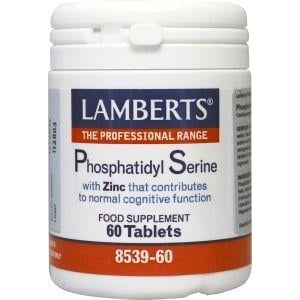
Lecithin, from sources like egg yolk, sunflower seeds, and soybeans, contains the components phosphatidylcholine and phosphatidylserine. These phospholipids play an important role in brain function, but our body typically produces enough lecithin and obtains sufficient amounts from the diet. Lecithin as a dietary supplement is particularly recommended for seniors. For young people, taking extra lecithin is of little benefit.
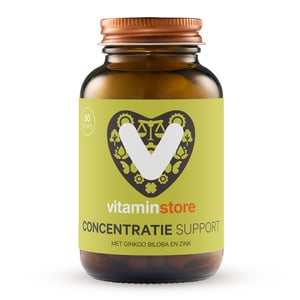
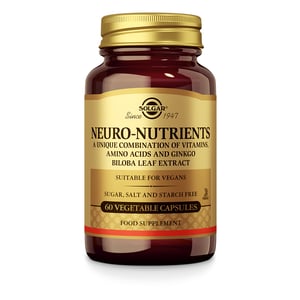
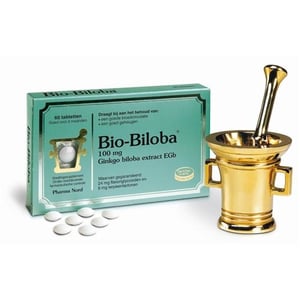
Additionally, there are various herbs that can be used to support blood circulation (such as Ginkgo biloba). Good blood circulation promotes a good oxygen supply to the brain, resulting in better functioning.
Calming herbs can also sometimes help, especially when excessive tension disrupts sleep. Additionally, tension ("stage fright") during exams, for example, can hinder cognitive ability. Herbs like valerian can be used for non-sedative relaxation.
recommended
12 products