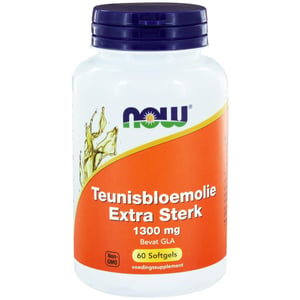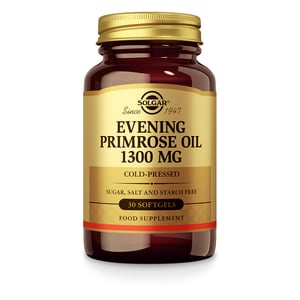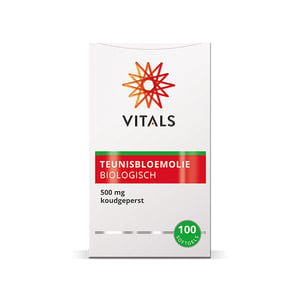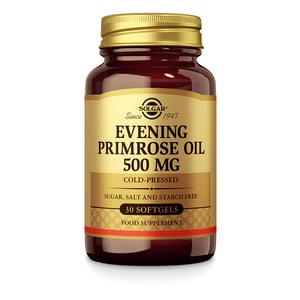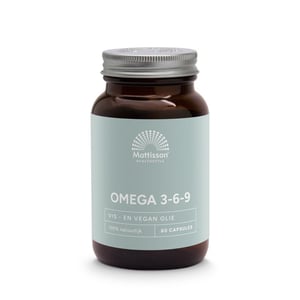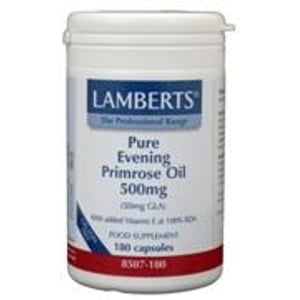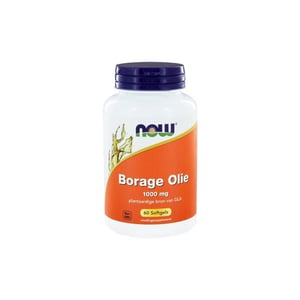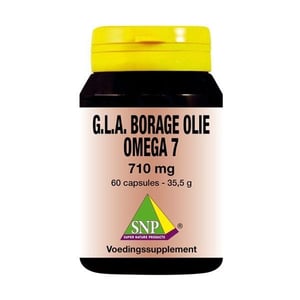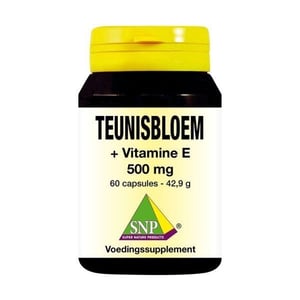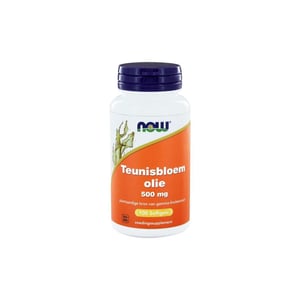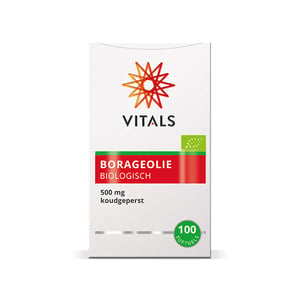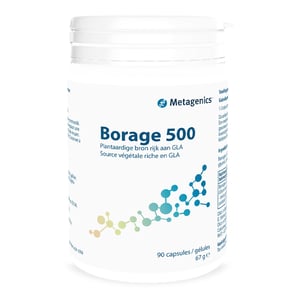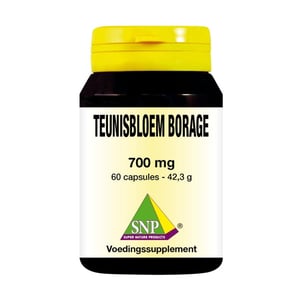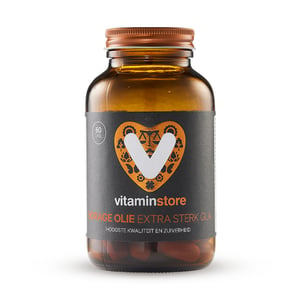
GLA, omega-6 fatty acid from evening primrose and borage oil
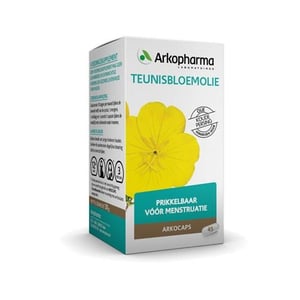
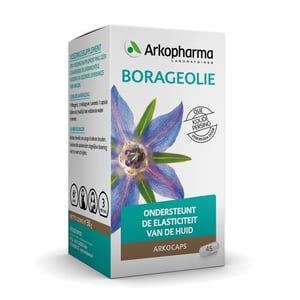
GLA stands for gamma-linolenic acid, an omega-6 fatty acid that is converted in the body with the help of vitamins B3, B6, and C into prostaglandins 1 and 3. There are few dietary sources of GLA, but our body can produce GLA from linoleic acid, which is found in various foods. Some people are unable to convert linoleic acid into GLA adequately and therefore rely on one of the two main sources of GLA: evening primrose oil (Evening Primrose, Oenothera biennis) and borage oil (Starflower, Borago officinalis). Of these two, borage oil contains the highest percentage of GLA and is therefore more cost-effective than evening primrose oil.
GLA revitalises the skin and protects it against ageing. It supports the skin's natural ability to retain moisture, keeping it looking youthful, smooth, and radiant.
GLA also promotes the production of prostaglandins that help maintain a regular menstrual cycle.
When using polyunsaturated fatty acids such as GLA, it is advisable to take sufficient vitamin E, a fat-soluble antioxidant. A good guideline is 200 IU per day.
See also Weleda's facial and body care products for mature skin.
GLA revitalises the skin and protects it against ageing. It supports the skin's natural ability to retain moisture, keeping it looking youthful, smooth, and radiant.
GLA also promotes the production of prostaglandins that help maintain a regular menstrual cycle.
When using polyunsaturated fatty acids such as GLA, it is advisable to take sufficient vitamin E, a fat-soluble antioxidant. A good guideline is 200 IU per day.
See also Weleda's facial and body care products for mature skin.
recommended
20 products